• Bill Number: H.R. 3681, 119th Congress
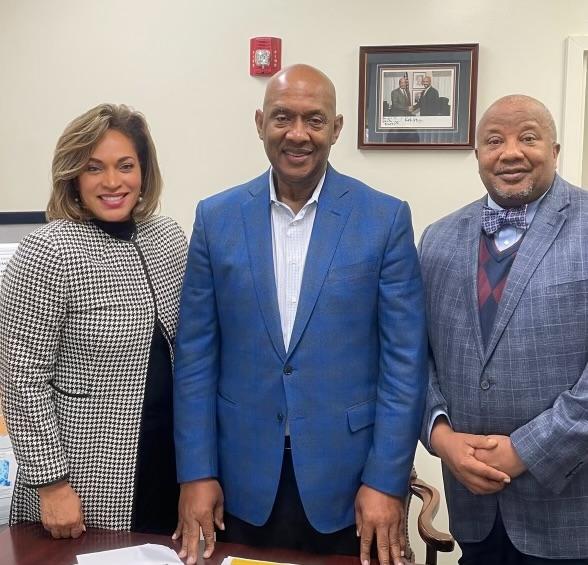
• Sponsors: Rep. Dwight Evans (D-PA-3) and Rep. Chuck Edwards (R-NC-11)
• Introduced: June 2025
• Named For: Rev. Dr. Leon H. Sullivan, civil rights leader and founder of OIC of America
• What It Does: Creates competitive federal grants for no-cost workforce training that prepares Americans for living-wage careers
• Who It Helps: Adults seeking a pathway to the middle class, employers facing labor shortages, and communities recovering from disasters
At its core, the LEON Act is about three things: training workers, funding the training, and making sure it actually reaches the people who need it.
The LEON Act is bipartisan for a reason: the problem it solves doesn’t care about political parties. Whether you live in an urban neighborhood in Philadelphia or a mountain town in western North Carolina, the problem is the same: skilled jobs are going unfilled, families are getting locked out of opportunity, and communities are paying the price.
“Too many families—in Pennsylvania's 3rd District and across the country—have been shut out from employment opportunities that offer them a pathway to the middle class. The LEON Act would help build a national career technical education system that would break down barriers and prepare low-income people with the skills that employers need.”
— Rep. Dwight Evans (D-PA-3)
“Western North Carolina is still recovering from the devastating effects of Hurricane Helene last fall, and recovery is going to take years. The LEON Act would enable us to quickly train the workers we need to help us build stronger, more resilient communities and economies.”
— Rep. Chuck Edwards (R-NC-11)
Two congressmen. Two districts. Two different stories—the same solution. The coalition is the way. We believe that’s common ground worth standing on to build a better tomorrow for millions of people.
The LEON Act carries the name of our founder. A man whose life’s work was proving that dignity, opportunity, and economic power belong to everyone.
Rev. Dr. Leon H. Sullivan (1922–2001) was a civil rights leader, pastor, and visionary from Philadelphia. In 1964, working out of a converted jailhouse in North Philadelphia, he founded the first Opportunities Industrialization Center (OIC): a community-based training organization designed to give Black Americans and other marginalized workers the skills they needed to enter the workforce and build economic lives of their own.
His impact extended far beyond Philadelphia. He became the first Black man to serve on the board of General Motors. His “Sullivan Principles” helped drive American companies to divest from apartheid-era South Africa. And the OIC of America model he built now spans dozens of affiliates across the United States and communities around the world.
Naming this bill the LEON Act isn’t just symbolic. It’s a commitment. It says: the work Rev. Sullivan started more than 60 years ago is work we’re still doing. And we won’t stop until it’s completed.
• Bill Number: H.R. 3681, 119th Congress
• Sponsors: Rep. Dwight Evans (D-PA-3) and Rep. Chuck Edwards (R-NC-11)
• Introduced: June 2025
• Named For: Rev. Dr. Leon H. Sullivan, civil rights leader and founder of OIC of America
• What It Does: Creates competitive federal grants for no-cost workforce training that prepares Americans for living-wage careers
• Who It Helps: Adults seeking a pathway to the middle class, employers facing labor shortages, and communities recovering from disasters
At its core, the LEON Act is about three things: training workers, funding the training, and making sure it actually reaches the people who need it.
The LEON Act is bipartisan for a reason: the problem it solves doesn’t care about political parties. Whether you live in an urban neighborhood in Philadelphia or a mountain town in western North Carolina, the problem is the same: skilled jobs are going unfilled, families are getting locked out of opportunity, and communities are paying the price.
“Too many families—in Pennsylvania's 3rd District and across the country—have been shut out from employment opportunities that offer them a pathway to the middle class. The LEON Act would help build a national career technical education system that would break down barriers and prepare low-income people with the skills that employers need.”
— Rep. Dwight Evans (D-PA-3)
“Western North Carolina is still recovering from the devastating effects of Hurricane Helene last fall, and recovery is going to take years. The LEON Act would enable us to quickly train the workers we need to help us build stronger, more resilient communities and economies.”
— Rep. Chuck Edwards (R-NC-11)
Two congressmen. Two districts. Two different stories—the same solution. The coalition is the way. We believe that’s common ground worth standing on to build a better tomorrow for millions of people.
The LEON Act carries the name of our founder. A man whose life’s work was proving that dignity, opportunity, and economic power belong to everyone.
Rev. Dr. Leon H. Sullivan (1922–2001) was a civil rights leader, pastor, and visionary from Philadelphia. In 1964, working out of a converted jailhouse in North Philadelphia, he founded the first Opportunities Industrialization Center (OIC): a community-based training organization designed to give Black Americans and other marginalized workers the skills they needed to enter the workforce and build economic lives of their own.
His impact extended far beyond Philadelphia. He became the first Black man to serve on the board of General Motors. His “Sullivan Principles” helped drive American companies to divest from apartheid-era South Africa. And the OIC of America model he built now spans dozens of affiliates across the United States and communities around the world.
Naming this bill the LEON Act isn’t just symbolic. It’s a commitment. It says: the work Rev. Sullivan started more than 60 years ago is work we’re still doing. And we won’t stop until it’s completed.
The LEON Act’s introduction was covered by news outlets across the country. Here’s a sampling of the coverage:
Legislation gets complicated fast. You don’t need to be a policy expert to be a powerful advocate—you just need to know what matters. Here are the key points to hit when you contact your senators and representatives:
The one-sentence version:
“Please cosponsor the LEON Act (H.R. 3681) to fund no-cost workforce training that helps Americans enter living-wage careers and helps employers fill critical labor shortages.”
If you have a personal connection, lead with that.
Tell your story. Say why this matters to you, your family, or your community. A lawmaker’s staff remembers constituent stories far longer than they remember statistics.
LEON is an acronym for Leveraging Educational Opportunity Networks. It’s also a tribute to Rev. Dr. Leon H. Sullivan, who founded OIC in 1964.
The most important thing you can do is contact your senators and representative and ask them to cosponsor the bill. You can also share this page with people in your network and follow OIC of America for advocacy updates.
The full text of H.R. 3681 is available on Congress.gov: View the bill text.
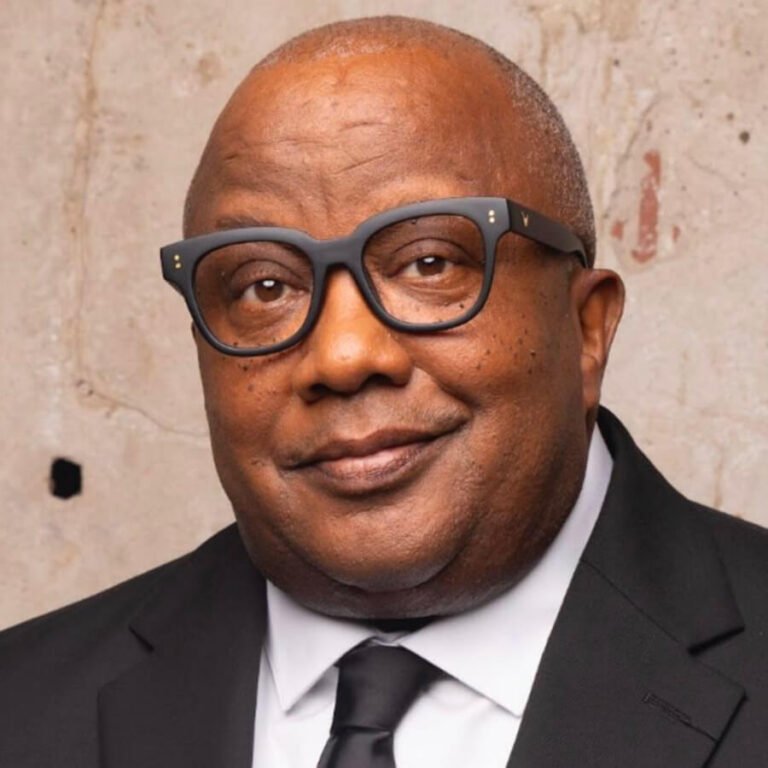
“The LEON Act is an opportunity to future-proof tomorrow’s workforce by preparing adults for jobs that provide a pathway to the middle class. With no-cost training, we can transform lives, stabilize and strengthen communities, and address our national labor shortage. In doing so, we create a stronger America.”
— Louis J. King II, President & CEO, OIC of America
The LEON Act has bipartisan sponsors, employer support, and a model that works. What it needs now is you—the constituents whose voices turn good ideas into law. Take two minutes. Send a letter. Share a story. Help us pass the LEON Act and build the workforce America needs.
Ready For talent solutions?
Let’s talk about the workforce you need and how OIC of America can help you build it.
Get the latest from OIC of America delivered to your inbox.

Fuel the Future of Skilled Trades

Contact Us
Whether you’re an employer, a prospective student, or a future supporter—we’d love to hear from you.
Invest in our people and communities. Contact us with any questions or opportunities by using the form below and our team will get back to you quickly. You can also reach us by phone at (215) 236-4500 or email us at [email protected].
For over 60 years, OICA has powered economic justice efforts across America. Today, we continue the legacy of our founder, Leon Sullivan, by expanding our network of training programs, creating lasting partnerships with businesses looking for talent, launching meaningful legislative advocacy initiatives and maintaining deep roots within forgotten communities.